Wireless audio labels need careful reading
Wireless features are increasingly common in compact amplifiers, portable speakers, practice tools and musician accessories. For dealers, however, a Bluetooth logo alone does not explain how a product should be used. The important questions are which audio system is supported, what the connection is designed to do and whether the specification matches the customer's application.
Bluetooth LE Audio is the next-generation Bluetooth audio architecture. According to the Bluetooth Special Interest Group, it operates over the Bluetooth Low Energy radio and introduces the LC3 codec, multi-stream audio and Auracast broadcast audio. LC3 is designed to give developers more flexibility when balancing audio quality, data rate and power consumption.
Playback and instrument audio are different use cases
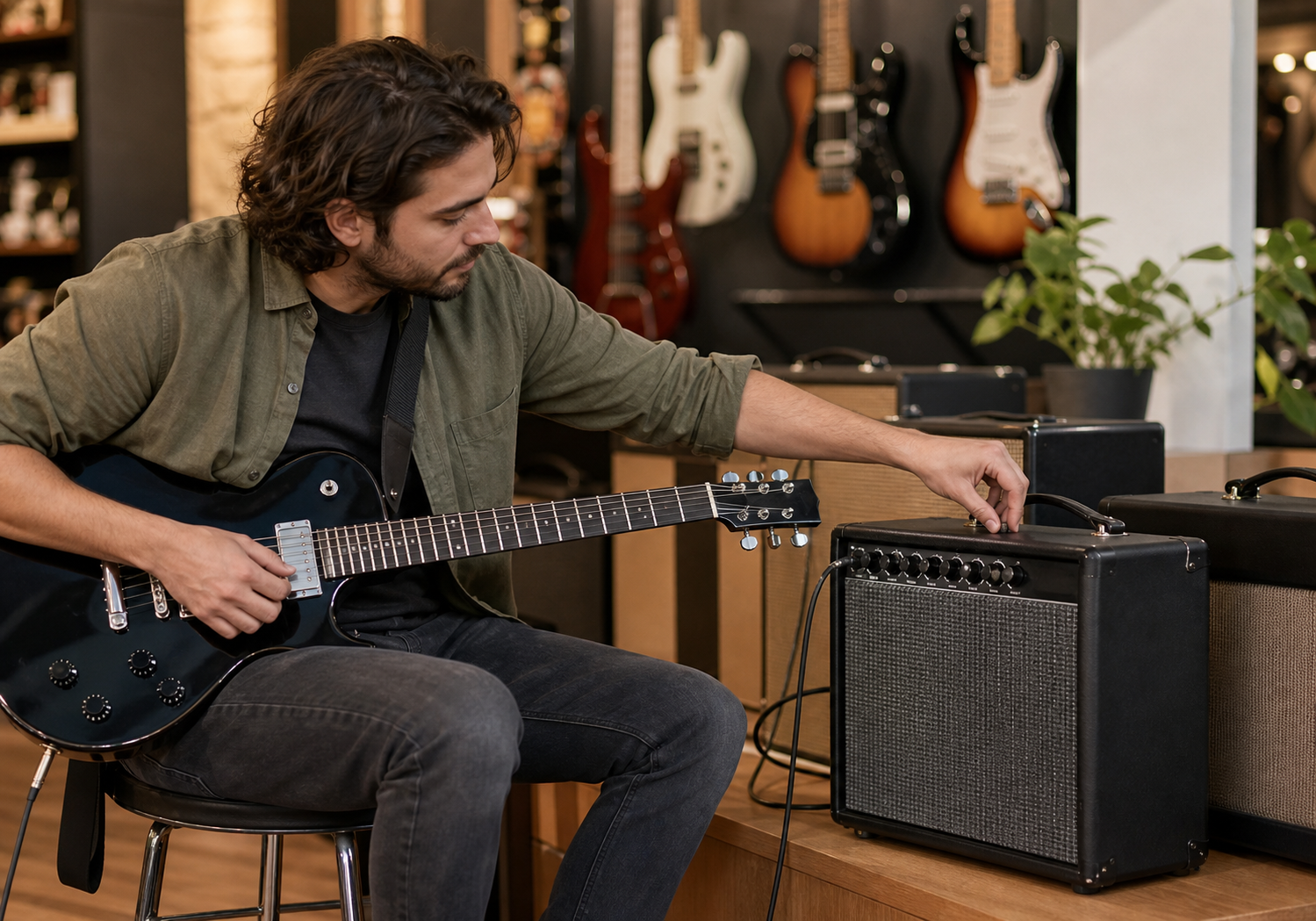
In a portable practice amplifier, Bluetooth may be intended for playing backing tracks from a phone. A wireless instrument system has a different job: it must carry the instrument signal clearly and with sufficiently low delay for comfortable performance.
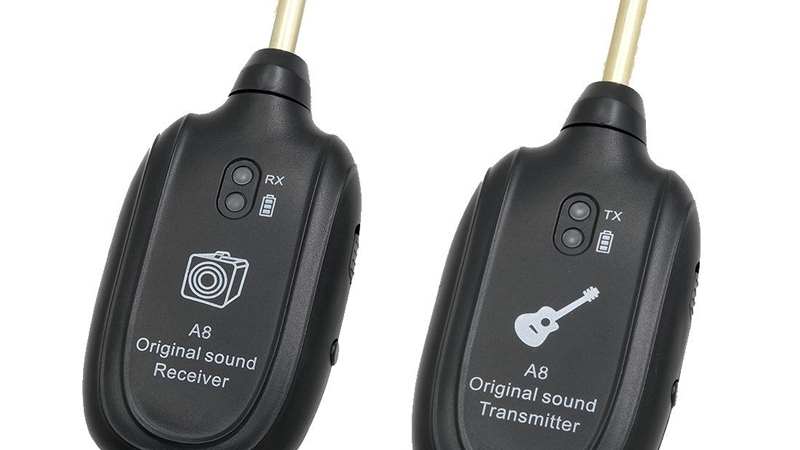
Product listings should separate these uses. A specification such as Bluetooth audio playback should not be presented as a wireless guitar-input feature unless the product was designed and tested for that purpose. This distinction helps dealers set accurate expectations and reduce avoidable returns.
Five checks before placing an order
- Confirm the use case. Ask whether Bluetooth is for music playback, app control, audio transmission or more than one function.
- Verify the supported technology. Request a model-level specification instead of relying only on a Bluetooth version number. If LE Audio, LC3 or Auracast is claimed, ask for supporting documentation.
- Ask about latency where timing matters. For instrument monitoring or performance, obtain a stated latency figure and the conditions under which it was measured.
- Separate connector shape from function. A USB-C connector does not automatically mean that every USB function is supported. Confirm whether the port handles charging, audio, data or firmware updates.
- Test the customer workflow. Pairing, reconnection, battery indication, control labels and compatibility with common phones can matter as much as the headline feature.
Clear specifications make products easier to sell
A useful compact-amplifier listing should state the inputs and outputs, rated power, speaker configuration, controls, power source, charging method, dimensions and weight. Wireless features should be described in plain English with their intended purpose.
InvemTone works with overseas buyers across compact amplifiers, wireless systems and accessories. Dealers can request current model specifications, available versions, packaging information and branding options before confirming an order.